Too many rules
We replace rigid lists with adaptable principles that work with familiar British meals.
Discover practical guidance on balanced meals, seasonal ingredients, thoughtful food choices and everyday movement. Daily Nourish Guide makes healthy eating feel manageable, flexible and suitable for real life across the United Kingdom.
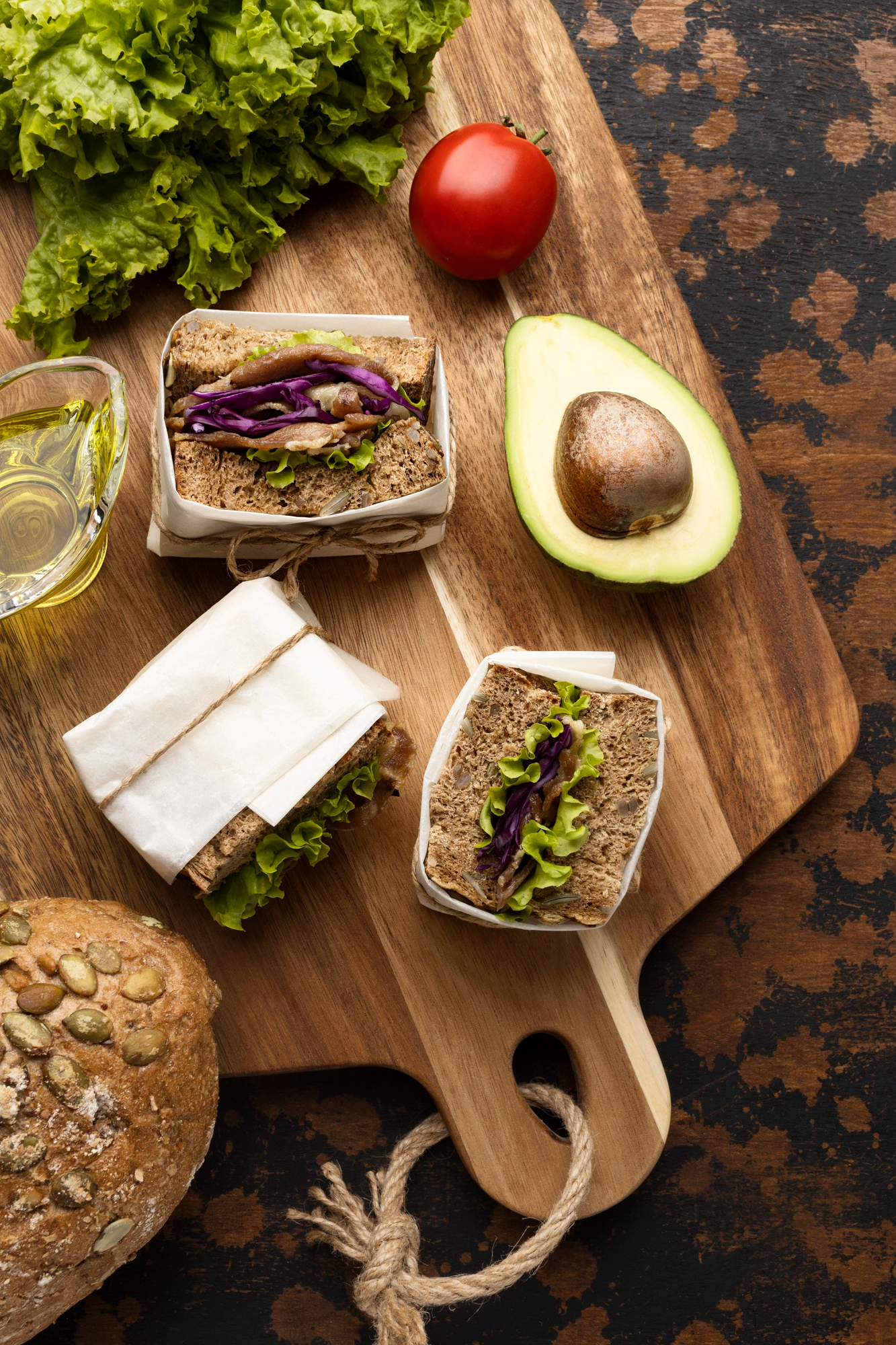
“A useful meal is one that fits the day you actually have.”
Daily Nourish editorial principleTrusted for calm, practical guidance
Healthy eating advice can feel disconnected from commuting, family schedules, changing appetites and the food already waiting in the cupboard. The result is often an all-or-nothing mindset: a carefully planned week or a week that feels completely unstructured.
Our solution is a practical middle path. We explain simple meal patterns, flexible shopping habits and small ways to include more vegetables and fruits without turning food into a complicated project.
We replace rigid lists with adaptable principles that work with familiar British meals.
We show how a few reliable ingredients can become several balanced meals.
Seasonal prompts make vegetables, fruits, grains and protein-rich foods easier to rotate.
We connect food, movement and planning through routines that can be repeated.
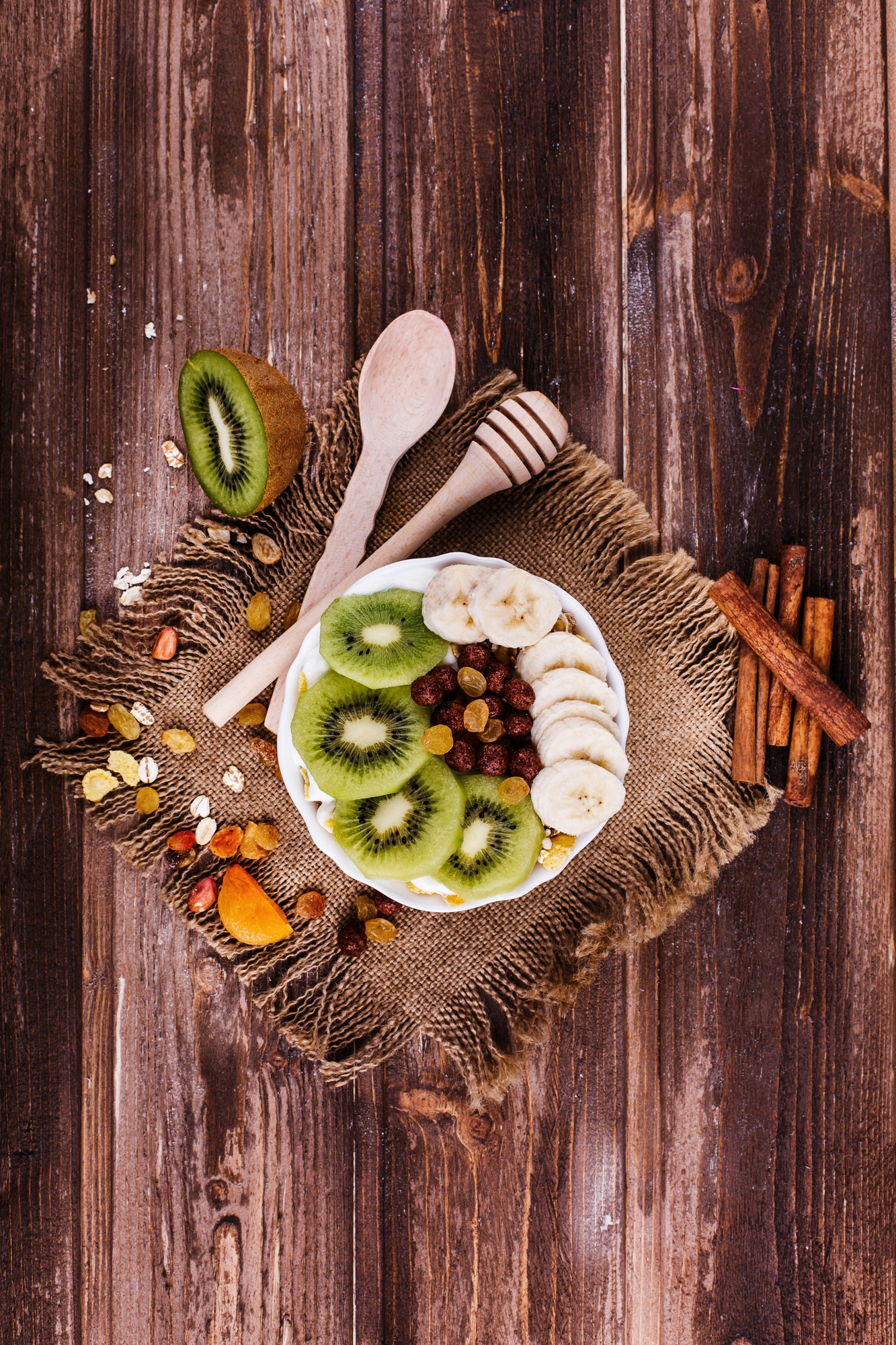
Clear examples, ordinary ingredients and room for personal preference.
Daily Nourish Guide began with one editorial question: how can useful nutrition information feel easier to apply? Our answer is to start with the rhythm of daily life. We consider what can be prepared before work, what travels well, what can be assembled after a long day and what makes a weekend meal feel enjoyable.
Ideas are explained without unnecessary calculations or complicated terminology.
No single ingredient carries the whole meal; patterns, variety and context matter.
Small routines are easier to keep than dramatic plans that do not match real schedules.
Start with the topic that feels most useful now, then build a broader routine at your own pace.
Learn how different food groups can work together in breakfasts, lunches and evening meals.
Open the guide →Use fresh, frozen and tinned options to add colour, texture and variety through the week.
Browse articles →Create a useful shopping list, prepare a few basics and leave room for plans to change.
Plan the week →Explore regular meals, attentive portions and practical habits without extreme restrictions.
Read with context →Connect walks, sport and active breaks with meals that suit changing schedules.
Find active ideas →Notice hunger, pace and satisfaction while keeping meals pleasant and socially flexible.
Build a routine →A balanced plate pattern narrows the question from “What should I eat?” to “Which vegetable, protein-rich food and grain fit this meal?”
Planning ingredients across several meals makes leftovers easier to use and unnecessary purchases easier to avoid.
Regular meals and portable options can help busy days feel more organised before and after movement.
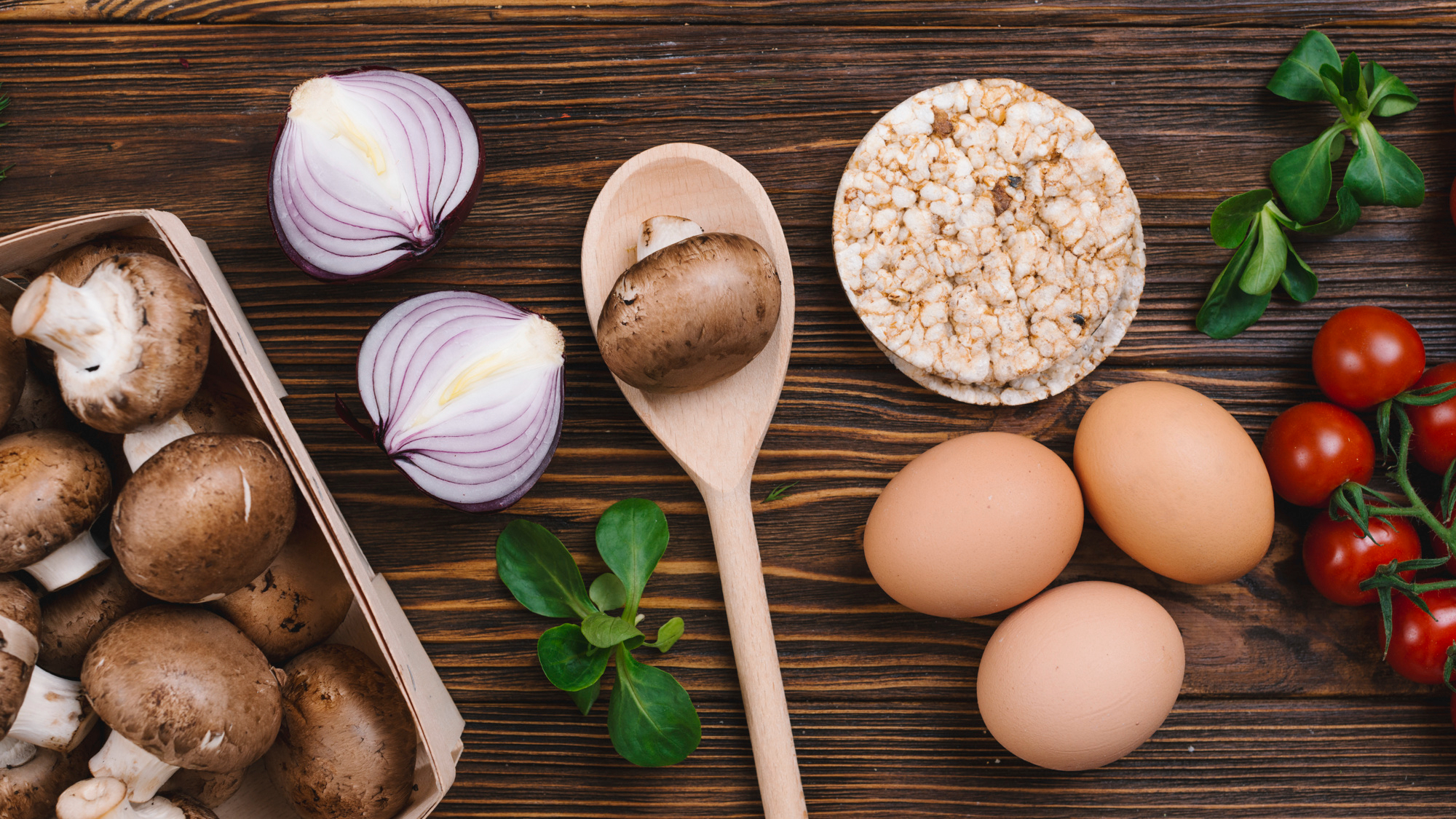
You do not need to redesign every meal at once. Choose one point of friction and move through a small cycle.
Identify the moment that feels rushed, repetitive or difficult to plan.
Select one practical change, such as adding frozen vegetables to two evening meals.
Put the needed ingredient, container or reminder where it will be easy to use.
Keep what worked, adjust what did not and repeat the cycle without judgement.
These editorial reader notes show the kinds of practical shifts our content is designed to support.
“The plate guide gave me a quick structure for lunch without making the meal feel prescribed.”
“I now plan ingredients rather than seven fixed dinners, which works much better when plans change.”
“The seasonal ideas helped me use frozen and fresh produce together instead of waiting for a perfect shop.”
Our articles connect balanced diet principles with practical food choices. Rather than presenting isolated tips, we show how meal planning, mindful eating, vegetables, fruits, sport and everyday movement influence the shape of a week.
Each topic is organised around familiar situations: breakfast before a commute, a packed lunch, a late evening meal, a weekend shop or food before an active afternoon. This context helps readers compare options and create nutritious meals from ingredients they recognise.
We also acknowledge that appetite, time, budget and preferences vary. The aim is not perfection. It is a wider set of useful choices and the confidence to adjust them.
Get a short editorial email with a seasonal ingredient, a flexible meal pattern and a small active-lifestyle idea. Read it in minutes and use only what fits.
A practical ingredient and several simple ways to use it.
A flexible combination for breakfast, lunch or dinner.
A realistic prompt for a walk, stretch or active break.
A question that makes the next food shop more focused.
All answers are open by default, and you can collapse any item for easier reading.
Our Leeds editorial team welcomes topic suggestions, reader questions and thoughtful feedback.