Clarity first
We explain the main idea before adding detail, so beginners can follow the full article.
We are an independent editorial concept based in Leeds, created to make balanced eating, meal planning and active routines easier to understand. Our work is educational, practical and grounded in familiar food.
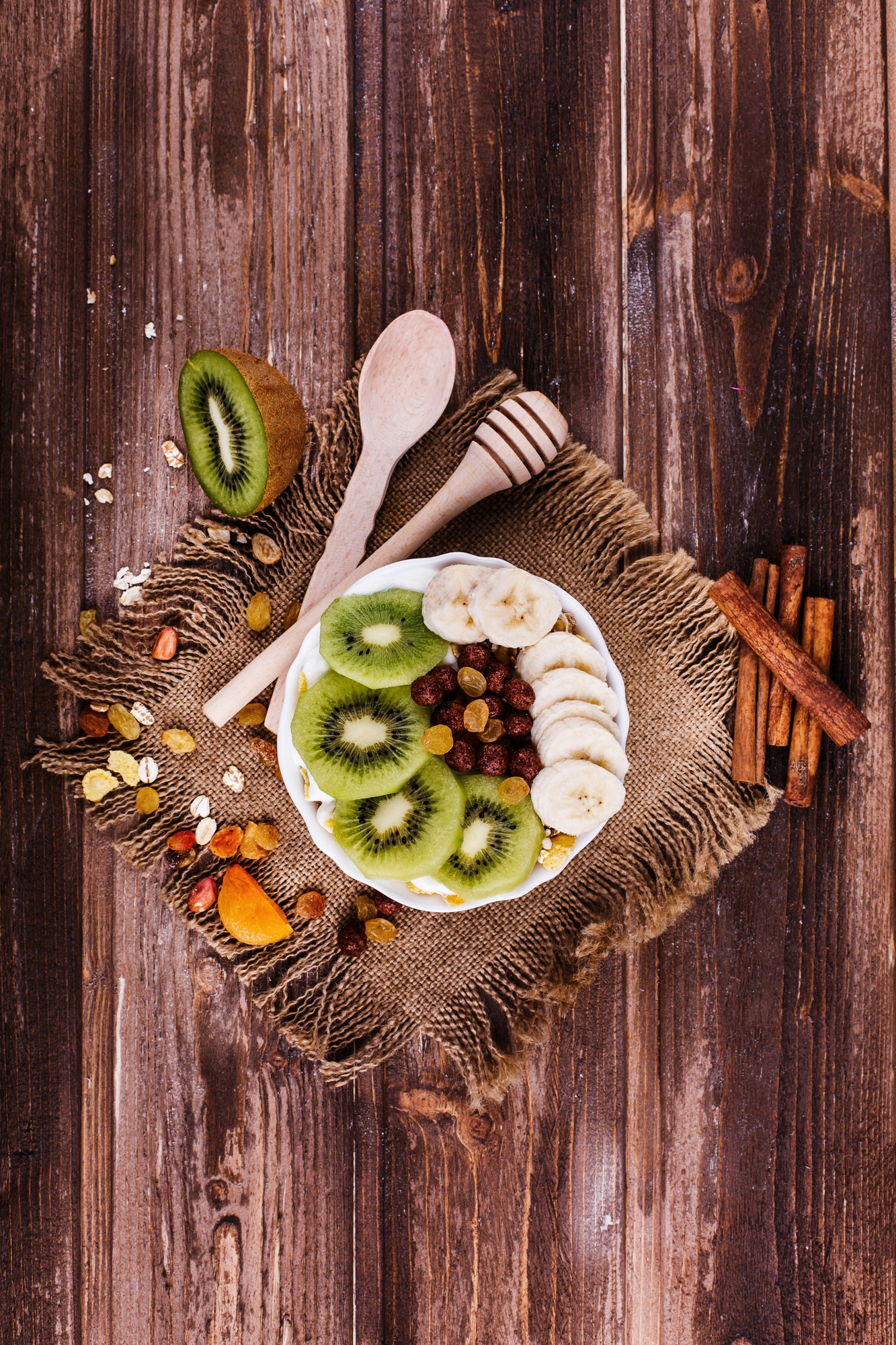
Nutrition content can become difficult to apply when it begins with ideal conditions. We begin somewhere else: the actual week. That means considering work hours, travel, family meals, limited preparation time, changing appetite and the ingredients already at home.
Our mission is to help readers understand balanced meal patterns and then adapt them with confidence. We write about vegetables, fruits, grains, protein-rich foods, fats, hydration, movement and planning as connected parts of a flexible lifestyle.
We do not present food as a test of willpower. Our editorial approach favours curiosity, variety and routines that can continue when the week is imperfect.
We explain the main idea before adding detail, so beginners can follow the full article.
Examples reflect familiar UK shops, kitchens, workdays and seasonal ingredients.
We avoid fear, shame, strict rules and claims that a single habit changes everything.
Headings, examples and checklists help readers return to the part they need.
We remind readers that preferences, appetite, schedules and personal circumstances differ.
Content is checked for accuracy of wording, internal consistency and practical usefulness.
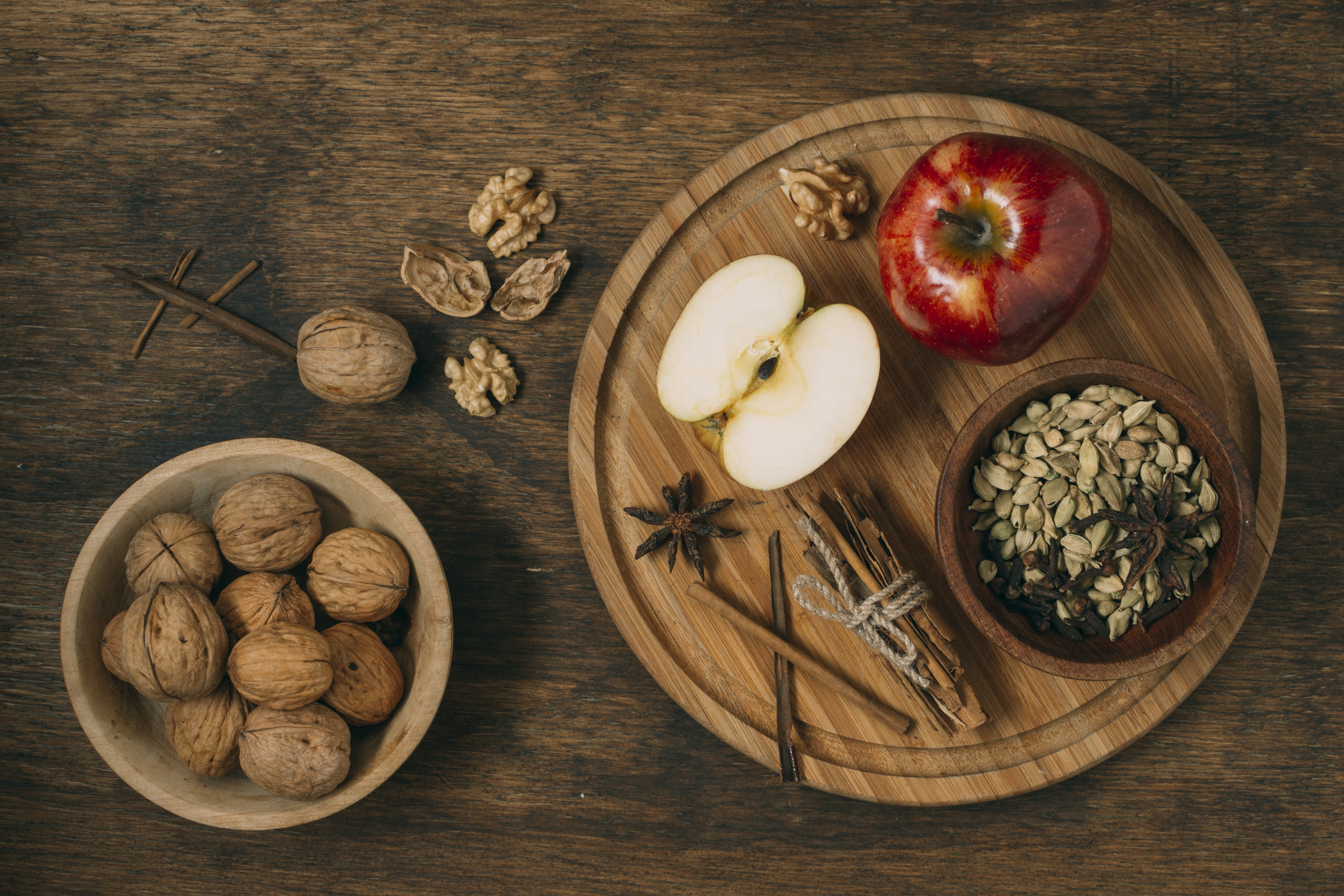
We clarify who the article is for and which decision it should make easier.
The main principles are arranged in a logical order with familiar examples.
We remove unrealistic wording and make the educational scope clear.
Readers leave with one manageable action rather than an overwhelming list.
Send our Leeds editorial team a question or suggestion. Reader needs help shape future guides.